Bracelets; Lockdown; Profound and Letdown

Cross-posted from February 19 at 12:43pm

In the early evening of Valentines Day, February 14, 16, I was placed in handcuffs in front of my residence and transferred to ‪#‎MethodistHospital‬ psychiatric hold where I got to come home the evening of February 16th Initially, I was being transferred to another facility for a 72 hour hold and evaluation after the Dr. said I wasn’t a threat to others, but I was to myself. Upon re evaluation the afternoon of the 16th, the doctor via tele medicine (Robot) allowed me to go home. The bruises on my body (severe) are not self inflicted, but are the consequences of my actions. After being denied 2 types of medications I’ve been on over 10 years (non opioid, anti-depressent/nerve pain and an anticonvulsent, 2 others removed entirely and abruptly January 2015 and reduced from 90 to 30 on Cymbalta at the same time, being continuously delayed, denied, retaking these 2, being denied again, going through the withdrawals over and over and knowing how many of you go through the same or similar, I began to crack. Days prior I filed the appeal, the next day I sought psych help from one of my providers, but was never contacted back. Valentines day started beautifully. My husband set up our patio, and have a vase of flowers for me, coffee and it was peaceful. When I woke that morning, he said “don’t go back” referring to the bedroom. He said” close your eyes” I did. He led me to the patio, the best gift I could have been given. As the early afternoon and sunshine made it’s way in, I was updating hand notes previously taken on a legislative conference to send as minutes. I was listening to music. My emotions began to rise. I was upset that I couldn’t be there for Barby in the loss of her dad, or my mom who’s doing all she can to keep her heart beating, or my dad, or my children, even my sister. I saw that denial letter again as I was highlighting the inaccuracies it contained. I tossed back a 200 ml bottle of vodka. To be specific the $1.99 bottle of Tamiroff (the cheap crap) 40% alcohol by volume. It wasn’t the cause of my actions, but it was the liquid courage to tell it how it was and how it shouldn’t be, however misplaced. I remembered what WC took from me, what I was manipulated into 14 years ago. Something that even possibility, chance or a cure can never bring back and I realized how absolutely stupid I was to listen to my health team at the time. See? I’ve learned and I’ve grown since then and while now I have to tread carefully, I refuse to shut up for me, or for you. And I remember that when my case was initially force closed in 2003, I asked for 1 thing. Just one, and whether my 3 know that or not, I submitted it in writing. I asked for them to apologize to my children.

They’re still waiting

I stood in the street and screamed everything we go through. ‪#‎Chronic‬, ‪#‎IntractabIe‬ ‪#‎Pain‬, ‪#‎CRPS‬, ‪#‎DWC‬ ‪#‎California‬ ‪#‎MTUS‬, denials and delays, I screamed that if you take an opioid, tomorrow you’re defined an addict If you have a drink, guess what? Now you’re an alcoholic. I screamed that records should be maintained accurately and that I was DONE! With irresponsible people fucking up responsible lives. Was my act responsible? Perhaps not, but the cause and reason was.

My tongue was foul.

When I attempted to advocate for myself, speak of compassion and understanding, humanizing people for all, and reveal what I do and that I wasn’t blind to it all, I was considered hallucinating, fabricating, making it up, laughed at, demeaned and ridiculed. Being kind, caring, loving, understanding, respectful, honest, and trustworthy has got me no where. Incline my head to the higher ups as if they’re right, when really I just don’t have the guts to advocate on my own behalf and tell them they’re wrong.

A person (and patient) who’s done everything right has labeled me, defined me, and stigmatized me as someone who’s wrong and who’s done everyone wrong.
They wouldn’t even give me my SCS controller to turn off my stim. Flat increases stimulation. The nurse tried to give me some line about, not right now, she didn’t know what I was talking about, so I tried to tell her. Being dismissed from that made me see even more red, I called her stupid and told her to f off. Then I apologized because even in my upset state, I had the mind to know it really wasn’t her fault, she was just ignorant and uneducated.

I won’t be tolerating inaccuracies in records, healthcare or otherwise. I won’t be tolerating patients not being able to add note to correct the record. I won’t be hiding away under the blankets anymore, while people create their reports to satisfy their own job criteria, yet leave out pertinent information. I’ll be up to make sure you know you better get it right. And that people deserve truth about all else.

I’ll be sharing this story in it’s entirety, there’s so much more than this. My records, PRIUM, tox screen, etc are being sent to the International Pain Foundation. Via iPain someone gets the exclusive. I’ll decide free or fee. Oh and I got on the inside in all of it, now I know what goes on behind those scenes and those doors. I supposedly blew a high alcohol level. But here’s the deal. The bottle is still the same bottle it can’t magically become something else. The amount my body took in wasn’t more than that, I’m 200 pounds, so go figure. I’ve saved that little bottle as a souvenir. Excuses? Not at all. I’m not proud, but nor am I ashamed. My transparency will bring me back up, enough to prove, I haven’t lied, fabricated and I wasn’t on any illicit or illegal drugs which no one believed either.

On the contrary, the truth I’ve told and will tell
Will become me

(This is my #FightSong

… Take back my life song)

If I gave anything that night, I gave 2 things.

1. On command I removed my hands from my mama’s jacket pockets and complied without incident to place my hands behind my back. ‪#‎SacramentoSheriffsDepartment‬. Everyone should do the same in all situations.

2. I’ve given all of you the rest of my life; the one I can’t go back on.
My name is now associated with defiance and lock down.

Nothing else was considered
Sleep disorders, narcoleptic episodes
CSA (my brain doesn’t send the signals to my body to breathe)
Myoclonia
Withdrawal (probably over that by now, but the effects I’m still dealing with)
CRPS (Flare) + and an altered brain from the last 13 months of continuous WC hell.
CRPS (secondary depression, anxiety disorders, PTSD x 2 (diagnosed)

(excluded are internal diagnosis’)

My medication list has been updated each and every time I’m seen by my physicians. Yet, my discharge shows I’m on 11 meds, including Butrans, 5 and 10, a benzo and others. I’m on Lisinopril 1 x a.m, Atorvastatin 1 x p.m, Hydralazine as needed only, BP 180/+, Nuvigil daily, and BuTrans Patch/wk. ‪#‎DignityHealth‬ is linked to all my doctors. The hospital is part of Dignity Health. What’s the point of the EMR, PMP, PDMP or even a computer if it’s not properly used?

Understand why I kept saying “I’m fucking done” I’m done doesn’t equal I’m going to kill myself. I’m over it, doesn’t mean it either. I don’t want to be here doesn’t either. What they all are is some else’s perception and reality I could fart and my son would throw up his hands and say “I’m done!”

Check it out.. My voice will carry, I have the guts to say it, open eyes and touch hearts, contribute to change, maybe not for me, but hopefully for someone else

If I killed myself, I wouldn’t get to say it, now would I?

I’m sure they gave me Cymbalta, Zonegran and Hydralazine in the lockdown. I wasn’t suppose to be given any of those. Only Lisinopril and the Statin. No wonder my head hurts.

I have no regrets
I pray you don’t either.

To be continued…

Sincerely,
Twinkle VanFleet,
Advocacy Director, Healthcare Advisor, Consultant, Speaker, International Pain Foundation (iPain) powerofpain.org/leader-directory

Medtronic Ambassador medtronic.com tamethepain.com
Cureclick Ambassador cureclick.com trialreach.com
SPPAN leader http://sppan.aapainmanage.org
Legislative policy leader
Founder- CRPSA

TwinkleV Feb 23 2016 2

Twinkle V. February 23, 2016

“When no one else believes in you…
.. You better!” ~T

On the 29th of January, I put in for my Cymbalta (30, 1x) and Zonegran (100, 2 x). I went to my grandson’s 10th birthday party yesterday (sick) but I played it like it was something else, I played it off so good and to the point of… shrugs. Yah, slam dunk withdrawal again. Pharmacy kept telling me my doc hadn’t refilled. (A lie) If you didn’t know the truth, say you don’t know. Today I get a letter in the mail from PRIUM. Cymbalta and Zonegran denied. Last January, 13 months ago, I was removed from 2 other medications entirely (one of which was Lidoderm) and reduced from 90 to 30 Cymbalta. I tried. I faked it to make it and I prayed it and played it. but was slipping harder than anyone could ever see, . There’s 1 med left and I know it’s next. Nearly every month I’m delayed, the months I’m not delayed by days, I am by weeks. I’m sure my brain is fried by now. I’m sick all the time from abrupt discontinuation, to trying to re stabilize after getting back on, to slam dunked again. Over and over and over. Those medications aren’t suppose to be slam dunked off of. They aren’t suppose to be abruptly discontinued. They are suppose to be weaned off to prevent seizures and adverse affects that can in some cases include death. Their letter is a lie, it contradicted 12 months ago where it did indicate Cymbalta and Zonegran and now says the CA MTUS doesn’t indicate for the treatment of neuropathic pain. (wrong). It also said because I’ve been treating with a dentist and was ON Norco 5/325 that the Cymbalta and Zonegran didn’t keep me OFF OPIOIDS. A fucking lie. As of the date of that letter. I had 3 dentist appointments. And I suffered and declined med, even tho I took some. I also got permission from my PMD prior to ever getting an RX , filling it or taking it. I have not asked for 1 single extra pill and I didn’t even fill the Rx I had for days later. But know what? It’s a done deal now. TOWER ENERGY GROUP – SCOTT CORNWELL ADJUSTER ARROWPOINT CAPITAL. You might want to get your facts right. You expect us to have ours accurate, yes? Let me see here in 1 year approximately $15,000 a year in medication management times 81 years of age. I’m still only 47. I got your game, you better get mine, too.

This letter said that I failed Lyrica and Neurontin (the reason it now says NO to Zonegran, but that I didn’t fail Carbamazepine or Lamotrigine. You got me stuck on stupid. For real? drugscom says make sure to tell your doctor if you have heart disease, high blood pressure, high cholesterol or triglycerides;
liver or kidney disease; ALL OF THE ABOVE. I get it, compromise one side for the other right? Which really means lower your spending. Sorry idiots, I settled for lifetime medical and didn’t take your money. Go on keep punishing me. Neither of these are NOT indicated for me. I didn’t appeal your last denials (January 2015) and I’m not appealing these either. Oh and by the way, next time you put bull shit in my letters, CA fail first/step therapy REFER TO AB 374 and know that if you’re going to quote taking and failing, you better also note all else that goes with it.

Because I think you failed something else…

Yourselves!

The Travesty of Delays- California Workers’ Compensation SB 863 and AB 1124

https://www.facebook.com/notes/twinkle-vanfleet/the-travesty-of-delays-california-workers-compensation-sb-863-and-ab-1124/10153777634894774

CRPS/RSD and Suicide

https://rsdadvisory.com/2013/05/05/crpsrsd-and-suicide/

January 28 at 11:48am

@CDCgov ‪#‎CDC‬ ‪#‎BSC‬ ‪#‎NCIPC‬ RE: Today’s CDC Public Hearing

I would like to offer that in conversation this last week with Dr. Kolodny and others who advocate against the use of opioid pain care that I attempted to stress the importance of responsibility and education in stating that ”

“So much time proving how bad opioids are when we could have been educating, teaching personal responsibility.” (Twitter only allows so many characters)

A direct reply and quote from Dr. Kolodny

“Education & “teaching personal responsibility” will not make opioids less addictive or more effective.”

Already in today’s call responsibility has been spoken of as well as education several times. He came on and mentioned Guiding physicians. Isn’t guiding educating?

Other therapies can potentially be more harmful, anti depressants, anti seizure medications for the treatment of chronic pain, such as Cymbalta,
Neurontin, Nortriptyline, Amtriptolyne and similar medications also have misuse and abuse potential. When there is misuse, abuse and Overdose is already likely. Surgical intervention is contraindicated in patients with nerve damage, neuropathies, CRPS/RSD. Some of these opioid overdoses were in part due to other medications, mixtures and alcohol, not solely opioid. Integrated and functional restoration programs are important, but few insurances at all, cover them.

Can we try not to stress the decline in white people falling to addiction, when we didn’t seem to be as concerned about blacks, or minorities. many were like, oh well, let them kill themselves, calling them stupid. We’re your kids stupid? I think not. I find it disheartening.
People were people all along. Also personal responsibility is directly related to opioid overdoses. If these children or adults didn’t understand the risk, or what the medication may cause, then education was absolutely necessary by parents, family and spouses first and foremost before the medical community. It becomes a mutual responsibility. Not only the doctor who prescribed it.

If they can’t stop, it’s our responsibility to intervene on their behalf. and attempt to save their lives before it’s too late.

Pain is physical, and pain is emotional. Physical pain seeks quality of life, the emotional pain, those against opioid’s seek comfort for
their loss. Pain doesn’t discriminate.

Physiology also plays a major role in this topic. Lets not sacrifice people for people. Otherwise unintended consequences become intended
consequences. Responsibility in prescribing isn’t a one way street. We seek out the doctor, they don’t seek us out.

~Twinkle V. / Advocacy Director, International Pain Foundation ‪#‎iPain‬

Mid Metatarsal Separation | Lis Franc Separation

https://rsdadvisory.com/2015/12/21/mid-metatarsal-seperation-lis-franc-seperation/

Chronic pain, opioids, addiction and controversy

https://rsdadvisory.com/2016/01/25/chronic-pain-opioids-addiction-and-controversy/

A Call for Action- 2016

A Call for Action 2016 by Twinkle VanFleet

https://rsdadvisory.com/2015/10/14/a-call-for-action-2016/

Overcoming Challenging Obstacles

Excerpts from, Overcoming Challenging Obstacles by Twinkle VanFleet

https://rsdadvisory.com/2015/11/24/overcoming-challenging-obstacles/

(Several pages and paragraphs not included at this time)


Full details of this entire experience soon enough, including photos. —> Media, news, social media, video, radio, and and… and  🙂


The Body, Mind and Spirit; Humanizing the Soul

The Body, Mind, and Spirit; Humanizing the Soul
By Twinkle VanFleet
I often refer to Quality of Life (QOL) when supporting or opposing legislation and/or certain topics aimed at the chronically ill or intractable pain patient . Quality of life is important! What is it though? I knew what I meant, but did others? Did those people I spent time with exchanging bits and pieces of personal belief and philosophies understand what it really was that I was referring to, or was it simply 3 words that had been tossed around in the vast world of healthcare and patients alike that had just become a more familiar reference term over time?

Somebody understood, someone had already knew precisely what I meant and what I had attempted to relay to others for decades. I didn’t know until after I returned home from being honored with The Bakken Invitation Award which recognizes outstanding contributions of service, volunteerism, and leadership. Each year, selected Honorees earn a $20,000 grant from Medtronic Philanthropy to direct to a charity of their choice. I didn’t realize until I opened one of the books that had been gifted to me as a 2015 Bakken Invitation Honoree by the man who most likely didn’t choose me solely, but who presented it to me at one of my weakest and most vulnerable public moments ever. As I began to read through “One Man’s Full Life” by Earl E. Bakken, co founder of Medtronic, I knew.

I knew that the man who had invented the world’s first wearable battery operated external pacemaker in a garage in northeast Minneapolis while everyone else was recovering from WW2, knew also. There was 46 years between his birth and mine, but someone else understood long before I ever could.

Health Related Quality of Life is the meaningful intent and purpose of giving a part of the self to another. A warm smile, soft caress, compassion. Anyone can want, need or desire quality of life. This quality is based on what we do with our lives, where we want to take it, and if we can sustain that quality we want or crave by what we’ve utilized from all that we have and that which we don’t. It’s really dependent not on the self, but the ego. Upbringing, teachings, education, competition, and lacking commitment to anything or anyone else.

Health Related Quality of Life is what we need to survive. There is no quality of life without a health related quality of life. Health related quality of life had become technology, pills, and sending a person on their way. The real intent of health related quality of life is the human experience. Humanizing patients will help their mind and spirit overcome challenges in the body.

Shrug someone off, remove their dignity, you also remove the very reason for fighting against disease and pain that our own minds already know how to achieve. Our mind is part of our brain it isn’t the brain itself. It’s our conscious, and sometimes unconscious being, yet never the less our higher being, our spirit. Break the spirit, you will break the body. Liven the mind and the spirit, you induce a will to “be“.

All these years, all the doctors and medical professionals, some my own physicians, others colleagues, above me in degrees, educational establishments, influence, and knowledge. I knew I knew, but now it was validated by a man who’s invented, done and given more in his lifetime than anyone else I could ever come to know.

It doesn’t take a degree to “get it“. All it’s ever taken is an understanding and belief in the human spirit and what it’s truly capable of, if not thrown away. I think I’m finally proud enough to say with my head held high, instead of my eyes lowered, that I don’t have a degree, I didn’t attend any fancy universities, I’m certainly not the sharpest tool in the shed, but I am brighter than the average bear. This is all I was ever suppose to be. All I was meant to do is validate those who came before me for those who come after me.

We’ve become a world that belittles at the first opportunity and blames others for what’s in our own power to change or make better. Instead, a people who hold back because they think they lack worth. You’re worth it, I promise! Some are still trying to teach it, still trying to proffer care in kindness and mercy above and beyond themselves, opening eyes and fluttering hearts, enlightening those who haven’t quite seen the light yet.

It doesn’t take a degree to be enlightened above the self and know a little better than the one‘s who tell you, you don‘t..

All it takes is a little faith.

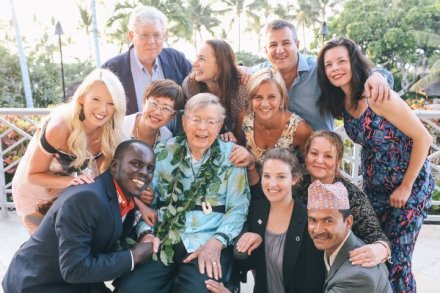
Honorees with Medtronic Dr. Earl Bakken


To be continued

Complex Regional Pain Syndrome: CPRS researchers study auditory connection

1449292631770

Kerry Whyman suffers from complex regional pain syndrome, which makes her highly sensitive to noise. Photo: Paul Jeffers

December 6, 2015 – 12:15 AM

For 16 years, Kerry Whyman secretly thought she had bone cancer and was dying – “secretly” because she’d stopped telling doctors how much pain she was in.”I’d wake up and my ankles were swollen and bruised, like they were sprained,” says Ms Whyman, 55. “The doctor would ask ‘what have you done?’ I’d say ‘nothing.’ He’d send me for ultrasounds and they’d come back normal … I decided to shut up because I felt I looked stupid.”If the pain wasn’t in her ankles, it was somewhere else, sometimes in her organs. It seemed to move around Whyman’s body at will. And it became more intense when she was exposed to noise. “My television is turned down to the lowest volume possible, and it’s still too loud.”She got by all those years on paracetamol, anti-inflammatories and lot of drinking. Advertisement. One day in 2008 Whyman met a woman with the same symptoms. The woman told Whyman that she was suffering Complex Regional Pain Syndrome, a rare and baffling condition that was first described during the American Civil War – and until 10 years ago was routinely dismissed as a psychiatric disorder.”When I asked my GP if I had CRPS, he said he’d never heard of it. He thought I had carpal tunnel syndrome. But tests showed I didn’t.”A neurologist finally confirmed CRPS. It most likely began when Whyman fell and fractured her right wrist 23 years ago. In most cases, Complex Regional Pain Syndrome is an ongoing consequence of a fractured limb – the broken bones heal, but the pain lingers, wanders randomly, and is aggravated by changes in weather, stress and noise. Since the diagnosis, Whyman has been on “a merry-go-round” of treatments, most of them not working. The only thing that has given Whyman relief has been intravenous injections of ketamine, the hallucinatory anaesthetic.Three times a year she is admitted to hospital for a week, and kept on an intravenous drip. She’s knocked around but the pain goes away. Except in September, her most recent hospitalisation – it didn’t work. She’s resisting suggestions to undergo direct stimulation of the spine.”They say I’m a perfect candidate, but surgery has to be the last resort,” she says.Depending on the research, there are between five and 25 new cases of Complex Regional Pain Syndrome per 100,000 every year. The actual prevalence is much higher because people, like Whyman, suffer for years.About one in 10 people with a fracture go on to develop some form of the pain syndrome, says Professor Peter Drummond, a psychologist at Murdoch University, one of the few people doing research into the causes.The Australian & New Zealand College of Anaesthetists is funding a study by Professor Drummond and Adjunct Professor Philip Finch, a pain medicine specialist, to unravel some of the complexity. They have together been researching various aspects of CRPS for 25 years.A recent study found there is an increased number of alpha-1 adrenoceptors on skin cells and nerves in the damaged limb of Complex Regional Pain Syndrome patients. These receptors are involved in the stimulation of the sympathetic nervous system, which controls the “fight or flight” response. It may be that pain nerves are being over-stimulated. The researchers are further exploring this discovery.”We’re not sure why these receptors are over-expressed,” says Drummond. “It seems to be a product of injury to the nerve itself or the inflammatory process. We’re studying that in cell cultures, to work out what the stimulus it might be.”The new project is looking at the idea that the brain, in failing to adequately suppress pain, distorts normal sensory processing in the syndrome.In a world first, Drummond and Finch will study the interaction between the auditory and pain-processing systems in CRPS patients. They plan to measure brain stem activity as the left and right ears of patients and a healthy control group are subjected to various noises. They are guessing that noises heard on the injured side of patients – reportedly are distorted and painful – will generate wave forms in the brain different to those generated by the auditory system on the healthy side.Drummond and Finch expect they will be disentangling Complex Regional Pain Syndrome for many years to come.

Source: Complex Regional Pain Syndrome: CPRS researchers study auditory connection

Commentary- Kerry Lynn is an international chronic pain advocate and published writer with a focus on CRPS.

I’m thankful for her contributions.

Microglia Activation Causes Depression, Anxiety in Chronic Pain

June 11, 2015

Brain inflammation from chronic pain increases microglia activation, which inhibits the release of dopamine and may lead to depression and anxiety, according to a study published in The Journal of Neuroscience.

Although more than half of chronic pain patients experience depression, anxiety, or substance abuse, scientists were unable to determine what caused this association until now. In this study, the researchers sought to test if chronic pain disrupted the transmission of dopamine.

The researchers demonstrated that the activation of microglia in mice with chronic pain inhibited the release of dopamine. These results shed light on why opioids, which stimulate a dopamine response, can be ineffective for chronic pain patients.

The researchers instead tested a drug that inhibited the activation of microglia. This, they found, restored normal dopamine release and reward-motivated behavior in the mice.

“For over 20 years, scientists have been trying to unlock the mechanisms at work that connect opioid use, pain relief, depression and addiction,” said Catherine Cahill, PhD, of the University of California, Irvine. “Our findings represent a paradigm shift which has broad implications that are not restricted to the problem of pain and may translate to other disorders.”­

In future studies, the researchers hope to explore if mood disorders are caused by similar brain alterations, regardless of the presence of chronic pain.

Read more-

via Microglia Activation Causes Depression, Anxiety in Chronic Pain.

Read the full article at:

The Journal of Neuroscience

Microglia Disrupt Mesolimbic Reward Circuitry in Chronic Pain

Brain alterations and neurocognitive dysfunction in patients with complex regional pain syndrome

April 2015

Highlights

  • Significant cortical thinning in the prefrontal cortex was observed in CRPS patients.
  • Patients with CRPS made significantly more perseverative errors on the WCST.
  • Patients with CRPS showed significantly longer stop-signal response time.
  • The alterations may explain executive dysfunction and disinhibited pain perception.

Abstract

Few studies have examined the involvement of specific sub-regions of the prefrontal cortex in complex regional pain syndrome (CRPS). We analyzed cortical thickness to identify morphological differences in local brain structures between patients with CRPS and healthy control subjects (HCs). Furthermore, we evaluated the correlation between cortical thickness and neurocognitive function. Cortical thickness was measured in 25 patients with CRPS and 25 HCs using the FreeSurfer method. Pain severity and psychiatric symptoms were assessed using the Short Form McGill Pain Questionnaire and the Beck Depression and Anxiety Inventories (BDI and BAI), respectively. Neurocognitive function was assessed via the Wisconsin Card Sorting Test (WCST) and the stop-signal task (SST). The right dorsolateral prefrontal cortex (DLPFC) and left ventromedial prefrontal cortex (VMPFC) were significantly thinner in CRPS patients than in HCs. CRPS patients made more perseveration errors on the WCST and had longer SST reaction times compared with HCs. Although BDI and BAI differ significantly between the groups, they were not correlated with cortical thickness. Our study suggests that the pathophysiology of CRPS may be related to reduced cortical thickness in the DLPFC and VMPFC. The structural alterations in DLPFC may explain executive dysfunction and disinhibited pain perception in CRPS.

Read more-

via Brain alterations and neurocognitive dysfunction in patients with complex regional pain syndrome.

Article in Press (see also)

Brain alterations and neurocognitive dysfunction in patients with complex regional pain syndrome

http://www.jpain.org/article/S1526-5900(15)00599-4/abstract


High-Frequency Surpasses Traditional Spinal Cord Stimulation in First Controlled Trial Comparing Technologies

Released: 24-Mar-2015 2:05 PM EDT 

Newswise — March 24, 2015, NATIONAL HARBOR, Md. –- The first-ever randomized, controlled trial to compare spinal cord stimulation (SCS) technologies found that high-frequency SCS using 10 kHz (HF10) exceeded lower-frequency, traditional SCS in response rate and pain relief. Further, this was achieved without the paresthesia that may cause discomfort with traditional SCS, the researchers reported in a scientific poster at the 31st Annual Meeting of the American Academy of Pain Medicine.

Traditional SCS low-frequency (~50 Hz) stimulation is an attempt to mask the sensation of pain with a tingling or buzzing sensation, known as paresthesia. Therefore, the therapeutic goal with traditional SCS is to cover the areas of pain with paresthesias, explained B. Todd Sitzman, M.D., M.P.H., medical director of Advanced Pain Therapy, PLLC, in Hattiesburg, Miss.

In contrast, “high-frequency HF10 therapy utilizes a stimulation frequency that is orders of magnitude higher than traditional SCS,” Sitzman said. “HF10 therapy does not produce paresthesias and achieves superior back and leg pain relief.”

More importantly, HF10 therapy was shown to be superior to traditional SCS in all of the study-related primary and secondary endpoints, including response rate and pain relief. The magnitude of back pain relief was consistent with previous European research of HF10 therapy (Van Buyten et al, Neuromodulation 2013;16(1):59-65; Al-Kaisy et al, Pain Med 2014;15(3):347-54).

The use of SCS, introduced in 1967, has expanded as a treatment for difficult pain syndromes, encompassing peripheral neuropathies, complex regional pain syndromes, peripheral vascular disease and other disorders in addition to failed back surgery syndrome (Deer, Techniques in Regional Anesthesia and Pain Management 1998 2(3):161-7).

Traditional low-frequency SCS systems are widely used in clinical practice. However, the scientific literature indicates that achieving back pain coverage with traditional SCS is technically difficult and is often not sustained over time. (North et al, Neurosurgery 2005;57(5):990-62005; Frey et al, Pain Physician 2009;12(2):379-97). According to one report, 71 percent of patients who received an implant with traditional SCS experienced discomfort from the stimulation of paresthesia (Kuechmann et al, Abstract. Pain in Europe VI [EFIC], Lisbon, Portugal: Sept. 9-12, 2009). In the current study, 44 percent of patients receiving traditional SCS reported uncomfortable stimulation.

The study was a prospective, randomized, multicenter, comparative trial of the investigational HF10 vs. the standard SCS therapy, designed in consultation with and monitored by the FDA. Institutional review board approval was obtained for each study site.

The 12-month follow-up data indicated that the responder rate with HF10 therapy was twice that with traditional SCS for both back and leg pain. Also, the average degree of pain relief with HF10 therapy was more than 50 percent greater than with traditional SCS. The level-1 evidence with 12-month follow-up meets today’s rigorous standards for evidence-based healthcare and complies with regulatory agency and payer preference for comparative effectiveness, the investigators said.

“These results provide important comparative effectiveness data for healthcare providers and clinically relevant information for pain physicians, patients and payers,” Sitzman said.

At present, HF10 therapy is investigational in the United States. The manufacturer of the device, Nevro Corp., which funded this study, anticipates obtaining market approval from the FDA by mid-2015.

Poster 140 – Rationale for the SENZA-RCT Study Design and Comparative Outcomes

About AAPM

The American Academy of Pain Medicine is the premier medical association for pain physicians and their treatment teams with over 2,500 members. Now in its 32nd year of service, the Academy’s mission is to optimize the health of patients in pain and eliminate pain as a major public health problem by advancing the practice and specialty of pain medicine through education, training, advocacy and research. Information is available on the Academy’s website at http://www.painmed.org.

via High-Frequency Surpasses Traditional Spinal Cord Stimulation in First Controlled Trial Comparing Technologies.

Power of Pain Foundation- ADF and Access to Care


AZ State Capitol BuildingADF

Power of Pain Foundation recognizes that Abuse Deterrent Formulations are only a step forward
toward drug diversion. We know this isn’t the final answer. It allows an option for patients to
continue to be treated with opioid analgesics and removes many of the barriers involved in non abuse
deterrent medication.


POPF Pain Community Needs Assessment Survey

We are not focusing on any one treatment option, we are improving upon the patient/provider
relationship.

The purpose of our survey was to determine who is having trouble getting access to quality care.
who is being dismissed, who is being cared for by a primary physician, who is being sent to pain
management and who is having difficulty receiving ongoing pain care.

We are aware of many individuals who are not receiving proper medication management or treatment
and others who had been receiving care that are now facing obstacles.

Our goal is continued access to care. Our goal is patient empowerment.

Recent Articles

INEFFECTIVE TREATMENT ASSOCIATED WITH THE CHRONIFICATION OF PAIN by Barby Ingle
http://www.lynnwebstermd.com/ineffective-treatment-associated-with-the-chronification-of-pain/

BARBY INGLE ON CHRONIC PAIN AND OPIOIDS by Barby Ingle
http://www.lynnwebstermd.com/guest-post-barby-ingle-on-chronic-pain-and-opioids/

The Unintended Side Effects of Fighting Prescription Drug Abuse by Twinkle VanFleet
http://www.californiaprogressreport.com/site/unintended-side-effects-fighting-prescription-drug-abuseTwinkleV_SB1258


Barby Ingle: Tamper-proof pain drugs deserve support

http://www.desertsun.com/story/opinion/contributors/2015/02/28/ingle-pain-medication-%20tech/24144627/
With the Power of Pain Foundation as a sponsor of the new bill AB 623 on Abuse Deterrent
Formulations, the above article  Op-Ed by our President has special significance being published 2/28/2015.
#RareDiseaseDay http://www.rarediseaseday.org/

Our President also wrote articles for for WA, NV, AZ, and CA.
She wrote letters to legislators in MD, MO, UT, CO, AZ.
BarbyIngle-FillYourPrescriptionOfHope
We are committed to you!


Power of Pain Foundation Advocacy Committee
Twinkle VanFleet, Board Member, Advocacy Chariwoman

Stem Cell Therapy Holds New Promise for Patients with Dysautonomia – Autonomic Specialists Community

January 5, 2015 at 11:48 am , by 

Recent advances in stem cell research have led to exciting new treatment possibilities for patients with dysautonomia.

Exactly why people develop dysautonomia has eluded researchers for decades. Researchers from the University of Oklahoma have determined that one causative agent for dysautonomia is antibodies formed against certain receptors found on nerve cells1. In other words, for many patients, dysautonomia is actually an autoimmune condition. IVIG (gamma globulin) is increasingly being used to treat dysautonomia. Complications following IVIG are very unusual, but heart attack, stroke and renal failure have been reported. Stem cells are a potential alternative to IVIG for treatment of a broad array of autoimmune conditions.

Multiple System Atrophy (MSA) is one form of dysautonomia for which stem cells have shown promise as a therapy. Mesenchymal stem cell (MSC) therapy has been studied in a rat model for MSA2. The first human study was published in 20083 and found MSC therapy helpful for treating MSA. A randomized trial of the use of MSC therapy for MSA was published in 2012 and demonstrated a delay in disease progression4. A recently published study5 found that MSC treatment modulates cortical thickness in patients with MSA, which, the authors infer, may have implications for MSC treatment application for other cognitive disorders.

Autonomic Specialists are now investigating the application of stem cells in treatment of Dysautonomia. Treatment is offered as part of an IRB approved study. If you would like more information or to find out if you might be a candidate for Mesenchymal stem cell treatment, please contact us through this web form (click here) or call us at (949) 247-8877.

via Stem Cell Therapy Holds New Promise for Patients with Dysautonomia – Autonomic Specialists Community.

How should U.S. regulate powerful painkillers?

American Academy of Pain Management’s Executive Director, Bob Twillman, PhD discusses opioid prescribing and regulations on PBS’s Newshour

Forty-six people die every day in the U.S. after overdosing on prescription painkillers, causing some states to crack down. Are tighter laws creating new problems? Judy Woodruff gets views from Bob Twillman of the American Academy of Pain Management and Dr. Andrew Kolodny of Physicians for Responsible Opioid Prescribing.

TRANSCRIPT (Partial)

JUDY WOODRUFF: Each day, 46 people die in this country after overdosing on prescription painkillers.  In 2012 alone, the CDC says 259 million prescriptions were written for painkillers, enough to supply every American adult with a bottle of pills.

Now many states are pushing back, including New York, Tennessee, Kentucky, Florida, and Washington State.  Three of those states now require doctors to check a patient database before writing a prescription.  This year, Massachusetts, Rhode Island, Georgia, and Texas are also considering tighter laws.

But some physicians and patient advocates say this crackdown is creating new problems.

We get two views now.

Dr. Andrew Kolodny is the director of Physicians for Responsible Opioid Prescribing.  He’s also chief medical officer for the Phoenix House Foundation.  It’s a national nonprofit addiction agency.  Bob Twillman is the executive director of the American Academy of Pain Management and also a clinical psychologist at the University of Kansas Medical Center.  Mr. Twillman was caught in a traffic jam tonight.  He couldn’t make it to the studio, so he joins us by telephone.

Read the rest of the transcript and listen to the podcast-

via How should U.S. regulate powerful painkillers?.

Inflammatory Cytokine Cascade | 420 InSight

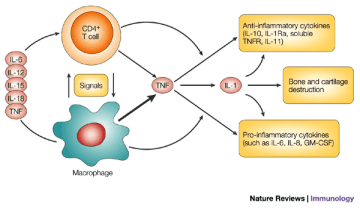
One of the most important health benefits of cannabinoids is their anti-inflammatory property. In this, they are strong modulators of the inflammatory cytokine cascade. Numerous disease states arise out of chronic inflammation; such as, depression, dementias including Alzheimer’s, cancer, arthritis and other autoimmune disorders, viral infection, HIV, brain injury, etc.

Inflammatory cytokines can be activated by oxidative stress and disease states. Cannabinoids, being immunomodulators interrupt the cytokine inflammatory cascade so that local inflammation does not result in tissue pathology. Thus we are spared morbid or terminal illnesses.4

If our own endocannabinoid system can maintain metabolic homeostasis and even cure seri- ous disease, why are we plagued by illness? We know that the body produces only small amounts of anandamide and 2-AG; enough to maintain the body but not enough to overcome chronic stress, illness, injury, or malnutrition. Cannabis is the only plant we know of that produces phyto-cannabinoids that mimic our own endocannabinoids. One of the great benefits of this mimetic medicine is that cannabinoids are essentially natural to our biology and do no harm to our tissues and systems.

It is well known that most diseases of aging are inflammatory in origin, thus making cannabis the best anti-aging supplement we could take to avoid arthritis, dementia, hypertension, diabetes, osteoporosis, and cancer. This is our key to good health and long life.

Since it is such an important attribute, as well as being independent of the cannabinoid receptor system, let’s look a little deeper into the ability of cannabinoids to inhibit the inflammatory cytokine cascade. Inflammation is good for us, a little here, a little there; it brings T-cells and macrophages to infection sites. This is good. However, chronic inflammation can cause serious illness and death. How do phytocannabinoids rescue us from dreaded infirmities? When the call comes in to the immune system to send troops, the first thing to happen is that the immune system signals glial cells to produce cytokines. Once this cat is out of the bag, the process can go one of two ways.

A) Killer cells clean up the infection and all is well.

B) Cytokines can stimulate more cytokine production and cause many more cytokine receptors to awaken. Unchecked, this becomes a cytokine storm showing symptoms of swelling, redness, fatigue, and nausea; even death.

Read the full in depth article-

via Inflammatory Cytokine Cascade | 420 InSight.