On This Day

wwgrctwvf_rsdadvisory

On This Day

Dedicated To The Marriage Of Don Marino And Melody Anne
April 18th 1998
Mr. and Mrs. Don Tresca

TODAY, YOU HAVE TAKEN HER,

TO BE YOUR LIFETIME WEDDED WIFE-

TO LOVE, HONOR AND CHERISH HER,

EVEN AFTER SOMEDAY TAKES HER LIFE.

TODAY, YOU HAVE PROMISED TO LOVE HIM,

UNTIL DEATH DO YOU PART-

AND TO LOVE HIM MORE TOMORROW,

AS THIS DAY- WITH ALL OF YOUR HEART.

TODAY- YOU HAVE JOINED TOGETHER,

FOR INFINITY MIGHT BE RIGHT NOW-

TODAY, TOMORROW AND FOREVER,

YOU HAVE TAKEN GOD’S SACRED VOW.

A NEW BEGINNING HAS STARTED TODAY,

BY MARRIAGE YOU ARE ONE-

MAY YOUR LOVE BE UNCONDITIONAL,

AND NEVER COME UNDONE.

©1998-2015 Twinkle Wood-VanFleet/Golden Rainbow Poetry/All rights reserved.
For viewing purposes only. May not be copied, reproduced or altered in any way.

Copyright Laws and Regulations of the United States http://www.copyright.gov/title17/

HappyAnniversary

Prescribing Task Force Meeting | April 13, 2015

mb

Prescribing Task Force
The Medical Board of California
April 13, 2015

I’ve been apart of this Prescribing Task Force since it began. These are the highlights of the meeting as it pertains to current affairs.

Refer to UStream MBC 4-13-2015 (98:02) Monday at 9:52 a.m
http://www.ustream.tv/recorded/61075030

Jason Smith- Generation Lost
Jason’s story begins at 13:00 of MBC 4-13-2015 (98:02) Monday at 9:52 a.m.

Mr. Smith begins his story by showing us photos of what a drug addict doesn’t look like, he immediately tells us that he abused the system 10 years ago. He say’s we have a preconceived notion of what a junkie looks like as he flips through slides of street bums and obvious users in dirty clothing in underground structures. He tells us that when he was 17 years old he became hooked after a car accident. He shares how he was put on Fentanyl, Norco and Soma. He believes his addiction started from Fentanyl. He said prior to the accident he was never interested in a drug “but when this hit my system, don’t get me wrong, I loved it”.

He was never honest with his doctor because he was worried his doctor would cut him off. He does say now, he has to take personal responsibility. He says his doctor didn’t know any better that he was just trying to keep him out of pain.

Additional Commentary-

I appreciate Mr. Smith’s truthfulness to come forward and tell his story. It would be honest if more patients did the same. We know they are out there. I am glad he is alive to tell his story and help the drug abuse problem. However, I can’t hold back. It is because of patients like this who make patients like me look bad. It is doctors like his that were duped that will second guess me now. I say me because I represent many pain patients who are falsely accused and judged for someone else’s deceit.

Jason appears friendly, handsome, not what society perceives an abuser to be. He’s right about the photo’s he’s shared.

Abusers are every day people, in any community, wealthy, poor, religious, strong, weak, and of any race. It is said that certain populations are at higher risk than others. We hear that over and over again. Don’t be fooled! They are in every class of people. Most dress quite well, are physically beautiful and are not just the poor folk, they are corporate managers, they are of the populations we don’t care to consider. If you think their aches and pains are more relevent then some one elses who might be on medi-cal you are misguided by your own misconceptions.

There has to be patient provider communication. There needs to be patient assessment, risk stratification, and screenings for abuse. Labeling a pain patient a potential abuser without merit because of other people who have used and abused our doctors and themselves is unjust.

Overdose means a person didn’t take a medication as prescribed, mixed it with alcohol, or another substance. Generally addiction and abuse occurs when mis using, again not taking as prescribed. Where is the personal responsibility in all of this? It is because of patients who do these things that contribute to the negative stigma and impede in the access to care and analgesic management to responsible chronic intractable pain patients. Much more work needs to be done not just in curbing abuse, but by making sure access to proper pain care on a case by case basis in ensured.

I admire Jason for sharing his story. His honesty actually brings truth and enlightenment to what many of us have been saying all along. You’re looking in the wrong place.

Dr. Rupali Das, Executive Medical Director of the Division of Workers Compensation spoke on Workers Compensation Guidelines, prescription drug misuse and overuse, and the multidisciplinary approach that the guidelines recommend. Treating providers are required to use the Evidence Based Treatment Schedule (MTUS). Opioid Treatment Guidelines- Refer to 57:00 of MBC 4-13-2015 (98:02) Monday at 9:52 a.m. http://www.ustream.tv/recorded/61075030

Dr. Das’ intentions are decent, yet early treatments such as acupuncture, physical and occupational therapy, yoga and other interventional treatments are more often than not, denied. This leads to the progression of disability and in some cases, irreversible disease. There is no wean down program when determining a modification of medication in many situations. Injured worker’s are abruptly halted leaving them in withdrawal. Even if a patient isn’t taking an opioid medication, withdrawal is dangerous. Injured worker’s continue to deal with denials and delays.

Agenda

1. Call to Order
2. The Lost Generation – Jason Smith
3. Update from the Prescription Opioid Misuse and Overdose Prevention Workgroup –
Julie Nagasako, California Department of Public Health
4. Update from Division of Workers Compensation – Rupali Das, M.D. Depart of Industrial Relations
5. Update on Controlled Substance Utilization Review and Evaluation System (CURES) –
Kimberly Kirchmeyer
6. Discussion on Statewide Best Practices
—–
Twinkle VanFleet
Executive Board Member/Advocacy Director
Power of Pain Foundation http://powerofpain.org

In attendence with
State Pain Policy Advocacy Network (SPPAN) Fellow Leader’s
Scott Clark of the California Medical Association (CMA) http://www.cmanet.org/
Maggie Buckley of the Pain Community http://paincommunity.org/

Nicole Hemmenway, U.S. Pain Foundation.

Brain alterations and neurocognitive dysfunction in patients with complex regional pain syndrome

April 2015

Highlights

  • Significant cortical thinning in the prefrontal cortex was observed in CRPS patients.
  • Patients with CRPS made significantly more perseverative errors on the WCST.
  • Patients with CRPS showed significantly longer stop-signal response time.
  • The alterations may explain executive dysfunction and disinhibited pain perception.

Abstract

Few studies have examined the involvement of specific sub-regions of the prefrontal cortex in complex regional pain syndrome (CRPS). We analyzed cortical thickness to identify morphological differences in local brain structures between patients with CRPS and healthy control subjects (HCs). Furthermore, we evaluated the correlation between cortical thickness and neurocognitive function. Cortical thickness was measured in 25 patients with CRPS and 25 HCs using the FreeSurfer method. Pain severity and psychiatric symptoms were assessed using the Short Form McGill Pain Questionnaire and the Beck Depression and Anxiety Inventories (BDI and BAI), respectively. Neurocognitive function was assessed via the Wisconsin Card Sorting Test (WCST) and the stop-signal task (SST). The right dorsolateral prefrontal cortex (DLPFC) and left ventromedial prefrontal cortex (VMPFC) were significantly thinner in CRPS patients than in HCs. CRPS patients made more perseveration errors on the WCST and had longer SST reaction times compared with HCs. Although BDI and BAI differ significantly between the groups, they were not correlated with cortical thickness. Our study suggests that the pathophysiology of CRPS may be related to reduced cortical thickness in the DLPFC and VMPFC. The structural alterations in DLPFC may explain executive dysfunction and disinhibited pain perception in CRPS.

Read more-

via Brain alterations and neurocognitive dysfunction in patients with complex regional pain syndrome.

Article in Press (see also)

Brain alterations and neurocognitive dysfunction in patients with complex regional pain syndrome

http://www.jpain.org/article/S1526-5900(15)00599-4/abstract


Odessa Virginia

wwgrctwvf_rsdadvisory

ODESSA VIRGINIA
by Twinkle VanFleet


I NEVER CALLED HER MISSES- I NEVER CALLED HER MOM-

BUT A MOTHER SHE WAS- BORN ODESSA VIRGINIA RAAEN.

DURING WORLD WAR TWO- SHE BUILT B TWENTY NINES,

HELPING US WIN THE FIGHT-

A GRAY LADY SHE WAS, FOR HER GENERATIONS PLIGHT.

SHE FELL IN LOVE AND MARRIED A MILITARY MAN

TOGETHER THEY HAD 4 CHILDREN- AFTER THEY FIRST BEGAN.

JAMES, CRYSTAL, TANYA AND ERIK-

AFTER 32 YEARS IT WAS OVER,

SOME SAY SHE JUST COULDN”T BARE IT

.

SHE NEVER RE-MARRIED, SHE TOOK GOOD CARE OF HERSELF-

DEPENDENT ON NO ONE, SHE KEPT TO GOOD HEALTH.

SHE HAD A POWER OF KNOWLEDGE, A SECRET TO MOST-

AND A WISH TO LEAVE THE CITY- HER DREAM WAS THE COAST.

LEAVING BEHIND THE PAST- AND THE FUTURE SHE KNEW-

TO BE FREE OF THE PAIN, SHE COULDNT UN-DO.

I’LL NEVER LOVE ANOTHER QUITE LIKE SHE-

HER INSIGHT GAVE ME THE WISDOM-

FOR WHAT TODAY, TOMORROW AND FOREVER MIGHT BE.

DESTINY WAS TO KNOW HER- GOD GAVE ME TO HER YOUNGEST SON-

THE LAST ONE TO SEE HER- HER DYING WAS YET TO COME.

ALONE SHE CLIMBED THE STAIRWAY TO HEAVEN-

FOR THE COAST AWAITED IN HER SLEEP,

BLESSED IS THE WOMAN SHE WAS- ODESSA VIRGINIA VANFLEET.


©1993-2015 Twinkle Wood-VanFleet/Golden Rainbow Poetry/All rights reserved.
Copyright Laws and Regulations of the United States http://www.copyright.gov/title17/

Complex Regional Pain Syndrome | Diagnosis using the Budapest Criteria – Specialist Pain Physio Clinics

The Budapest Criteria should now be used to diagnose Complex Regional Pain Syndrome (CRPS):

A: The patient has continuing pain which is disproportionate to the inciting event

B: The patient has at least one sign in two or more of the categories

C: The patient reports at least one symptom in three or more of the categories

D: No other diagnosis can better explain the signs and symptoms

Sensory: Allodynia (to light touch and/or temperature sensation and/or deep somatic pressure and/or joint movement) and/or hyperalgesia (to pinprick)

Vasomotor: Temperature asymmetry (more than 1 deg.) and/or skin colour changes and/or skin colour asymmetry

Sudomotor/oedema: Oedema and/or sweating changes and/or sweating asymmetry

Motor/trophic: Decreased range of motion and/or motor dysfunction (weakness, tremor, dystonia) and/or trophic changes (hair/nail/skin)

Signs – see or feel a problem

Symptoms – patient reports a problem

via Complex Regional Pain Syndrome | Diagnosis using the Budapest Criteria – Specialist Pain Physio Clinics.


Additionally –

Validation of proposed diagnostic criteria (the “Budapest Criteria”) for Complex Regional Pain Syndrome.

Shared previously

Ask the Expert: Complex Regional Pain Syndrome (CRPS)

Online Health Chat with Michael Stanton-Hicks, MD

April 30, 2014


Understanding Diverticulosis

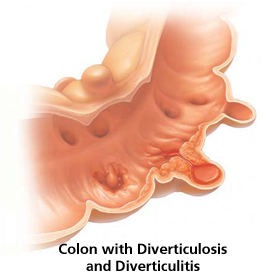
ColonwithDiverticulosisdoc163913On April 1st I had another procedure to assist in finding out why the symptoms in my belly have worsened over the last year. It wasn’t a routine procedure. Prior to 2013, I was having upper stomach pain that came and went. Held at a 3/4 on average and would rise to a painful 8/9 until I ended up in the Emergency Department at a hard 10 and was admitted for emergency surgery to remove my grossly diseased Gall Bladder. So that I don’t go back into all that, those posts can be found here and ending here for the most part. My stomach never did get better. I was diagnosed with Gastritis during the ERCP in 2013 after my first Gall Bladder surgery, so I knew I had the issue of inflammation around the stomach lining. Reducing fat intake didn’t seem to make a difference, but I’ve kept to low to no fat on a regular basis. My kidney’s are no longer in the greatest shape, but they are functioning. The issues that took me back to the same Gastroenterologist was bleeding, pain, and months of diarrhea, after years of constipation. My tailbone has been clicking in and out-of-place for over a year more and more frequently. Worse when getting up from a sitting position or when on the toilet. I thought it might be due to the Osteoarthritis of the Lumbar Spine diagnosis I’ve had.

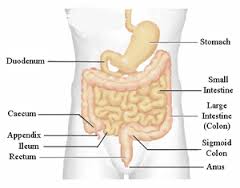
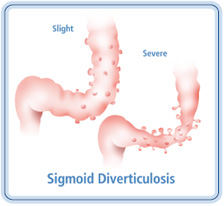
I knew I could also feel something inside me when going to the bathroom. As it turns out there was and it was removed during the Colonoscopy. I was diagnosed with Diverticulosis in the recto-sigmoid colon and in the sigmoid colon with colonic spasm. The 3 mm polyp in the sigmoid colon was resected and retrieved.  Internal hemorrhoids were found as well, I think many of us have those, either internal or external. Either from constipation, strain or from having babies.  I haven’t received the biopsy results yet. I am not worried about that, I’m just glad to have the annoyance out of me. Severe diarrhea has complicated things to the point my legs have a hard time carrying me to the bathroom several times a day and during the night. It’s unfortunate that sometimes there hasn’t been time to get there and I’m closest to the bathroom I can be. That symptom still nags me. I’ve been relying on my Spinal Cord Stimulator even more using it to mask the discomfort around my mid section as well as my legs. Newer reports suggest fiber isn’t as beneficial as previously thought but that mesalamine might be. This September 2014 Mesalamine for Recurrent Diverticulitis Prevention: Results from Phase 3 Controlled Trials report doesn’t seem promising. Everything else is invasive at the critical point. I gained a horrible amount of weight the last 2 years with little to no change in activity or eating habits. Swelling in my face is often, gray color to my facial appearance, a look of black eyes. My stomach extends to the point of looking like there’s a hill-top on one side or so swollen I’m harvesting a human in there. It makes sense now why the area where my Gall Bladder use to be has never stopped hurting. I’ve learned to deal with it and gastritis, the only time it knocks me down some is during a flare up. What I couldn’t fully grasp was all the extra that sprung up along with it.

Sigmoid Diverticulitis- A Systematic Review

Diverticular Disease of the Colon

The Colon

AnatomyColon

Over 14 years of CRPS type 2 from a mid-metatarsal separation. I’ve had several lesions removed from my liver, my kidney’s have declined, my uterus lining is inflamed, diagnosed by ultrasound and surgery, with a suggestion to have a hysterectomy. Stomach lining inflammation, and now colon inflammation confirmed. I’ve had an infection for over 2 years. My white blood cell count has been elevated above normal range. I’ve been treated for high blood pressure for a few years now with Lisinopril and recently put on Hydralazine for when it gets above 180/. Maybe a course of antibiotics will help my belly. I still have to followup. I was given 12 photos of my insides after procedure.  I’ve been extremely Vitamin D deficient for years now with only 1 testing where I made it into the normal range. My blood is monitored every 4 months.

I have another report that will be ready on the 15th of the month. This one may have CRPS documented as part of the cause.  It was at the feedback session. I underwent those tests awhile ago. Still have a few things to work on in regards to the sleep disorders, narcolepsy, brain, brain stem and other issues, but things are moving a long. I’ve been using an Auto Servo Ventilator for about 3 years for OSA, CSA with Cheyne Stokes. It hasn’t helped with the EDS, it has helped with breathing. It’s ability to record every breath I take, don’t take, deep breaths, short breaths and so much more is amazing.

I don’t contribute everything to CRPS, I know that it is part of what’s going on. If doctors aren’t going to consider them related and document it then how can I? I could never go to a new physician and say my insides are coming apart do to CRPS and them ask “who told you that?” and me say “I did”. I’d get laughed right out of the office or not taken seriously about what really might be true and most likely is. That’s why continued awareness, research, documentation, diagnosis’ and timelines are so important. There are many other’s who have developed similar health issues. If we help educate then eventually documentation will take place. We know there is literature to support internal organs being affected, but hardly any providers recognize it.

SigmoidDiverticulosisI’m not sure yet what the plan will be. I should know more this upcoming week. I need to verify too. My procedure photos I came home with are copies. In the copies it shows areas of white outs, white space and white dots, so on film that would look different. I need clarification.  I just keep bleeding. JP drain in 2013 for internal bleeding, a hemorrhage during wait period for second surgery months later and during the surgery and again more bleeding.  Hurt, hurt and hurt.

But what do we do..

.. We go on.


Opportunity to Help Research To Detect Early Alzheimer’s Disease by Participating In a Registry

Biogen Idec is running a registry for researchers to advance their knowledge of early Alzheimers Disease. If you’re having memory problems or are worried you’re at risk of early Alzheimer’s, you can play an important role in improving our understanding of the disease. You will have the opportunity to learn about and take part in local studies looking at new treatment options. You will also receive some reimbursement for your time.

More about the registry:

  • There will be 14000 participants in this registry
  • This registry will take place over two years requiring no visits or overnight stays
  • This registry is taking place nationwide and you can complete it from the comfort of you own home.

If you are interested, the full study details and eligibility criteria are listedhere.

Eligibility Criteria:

Participants must:

  • be between 50 – 85 years old
  • be willing to answer questionnaires periodically over a 2 year block of time
  • be concerned that you are at risk for developing early Alzheimers have difficulty with memory or thinking skills

Participants must not:

  • already be diagnosed with Alzheimers Disease
  • have had events of stroke, epilepsy, or Parkinson’s Disease

ADDITIONAL INFO ON THE REGISTRY

If you agree to participate in the registry, you will be asked to complete an online questionnaire to assess how you understand, remember, and communicate information. This questionnaire will be repeated every 3 – 6 months. You will also be asked to take a brief 10 – 15 telephone call, which will be repeated every 6 months. The registry team may use your answers to see if you may qualify for another clinical research study. If you are interested in participating, we will ask for your permission to send your contact details to the study center. After you speak with someone at the study center, you can decide whether or not you want to participate in the study.

Please complete the online questionnaire to check if you’re eligible for the registry.

Learn why I’m talking about Clinical Trials

CC_BADGE_Ambassador_TAG

She Awaits Him

SHE AWAITS HIM

by Twinkle VanFleet

Heaven

AND HERE HER GROUND HAS COME TO OPEN,

LIKE ARMS SPREAD WIDE IN WELCOME-

PATIENTLY AWAITING HIS COMPANY ONCE SHARED,

SHE’S COME TO GUIDE HIM TO HEAVEN.

ONCE GATHERED ABOUT HER RESTING PLACE,

AND WISHING NEVERMORE-

NOW WE LAY HIM DOWN ATOP HER HEART.

WHERE NEW PAIN AND TEARDROPS POUR.

WHERE TIME HAS NAMED THEM RE-UNITED,

AND A CHILD’S HEART WILL WEEP IN SORROW-

WHERE ANOTHER DADDY IS LAID DOWN TO SLEEP,

AND HIS CHILDREN BEGIN TO FACE THEIR TOMORROW.

WHERE DAUGHTERS CRY AND SONS TOO WILL SHED HIS TEARS,

WHERE WE LAY DOWN OUR FATHERS-

AND LEARN TO COPE WITH OUR FEARS,

I STAND HERE BEFORE YOU- NOT A STRANGER TO THE LIGHT.

SEE YOU IN THE MORNING- SWEET DREAMS, GOODNIGHT.

©1998-2015 Twinkle Wood-VanFleet/Golden Rainbow Poetry

All Rights Reserved. Copyright Laws and Regulations of the United States http://www.copyright.gov/title17/

Errors and Bullying in Chronic Pain Care

Oxy10Insurance is denying payment for opioid medication unless the patient agrees to attend a drug program. A California chronic pain patient with Reflex Sympathetic Dystrophy told me of her experience. She wants others to be aware that this could happen to them. The patient was fortunate to be able to pay for her medication/  She said “Poor people are screwed! If I wouldn’t have had the money, I’d be without meds”. This seems to be a rising problem. The issue of prescription drug abuse is an important one and is being addressed. This patient has no history with abuse. It would be important to address this if she was a previous addict or if an issue developed during the course of treatment, but I find it disconcerting that she not be entitled to coverage unless she agrees. This brings me to another point. Will it be clearly noted in the record that the patient was not misusing or abusing prescription medication when referred to the program. It is important that it be made clear and precise because otherwise as the medical record follows her it could simply be said that a drug diversion or drug rehabilitation program was attended leading another doctor or pharmacist to the belief the person is an addict.

These are important questions and they cannot be ignored. There is a problem with file management that already exists. Previous medications aren’t removed from the record and for other patients that leave one State to find a Physician in another it appears they are still on narcotics they were no longer taking. With the development of the Controlled Substance Utilization Review and Evaluation System (CURES) and the California Prescription Drug Monitoring Program (PDMP) healthcare providers who are eligible to prescribe controlled substances, pharmacists authorized to dispense, law enforcement, and regulatory boards are able to access patients controlled substance history.

These are tools that assist in learning information about a patient, but if information is not entered in correctly can also do harm. A little example, my husband was at his appointment recently and was asked if his medications had changed. This appointment was with his heart specialist. We had let the assistant know that his Gabapentin which he takes for Diabetic Neuropathy had been altered. She did right by asking but it didn’t make it into the record. An oversight. What if the medication was an analgesic opioid that was no longer being taken? Human error. No one would know it was no longer being taken. The assumption if a patient needed to be treated with a narcotic might be that they were drug seeking. Especially if other medications weren’t removed as well. Fortunately it wasn’t a major error. Unfortunately for someone else it could have been. Information still has to be entered accurately and people do make mistakes. Others simply don’t care enough to make sure it’s right.

Another example, an emergency room visit for an injury to the body. When the report was available it read, Alcohol Intoxication, as the reason for the visit. While the patient was intoxicated the only reason for the visit was to control bleeding, severe soft tissue damage requiring x-rays, and soft casting. While it should have been noted that the person was intoxicated it should not have been listed as the primary reason for the visit. This leads other physicians and emergency room personal who are only viewing the first part of the record to misconceptions which can adversely affect a patient in a new situation. They don’t have enough time in triage to look further, nor are most interested.

Learn the difdifferences between Electronic Medical Records, Electronic Health Records, and Personal Health Records

Patients need to become more assertive. Most of us feel that we are doing something wrong if we ask too many questions or if we demand a change. We have to take a more active role in our own care and lack thereof. We now have access to many of our own records for review in online patient centers. We can even communicate with our physicians.

If we don’t play an active role in our own care, records management and pain management, we will continue to be the scapegoat for other peoples errors. Lets review. A patient being required to enter a drug program in order to receive medication through her insurance. Another patient whose medication wasn’t updated and another whose reason for an emergency room visit wasn’t accurate.

There are hundreds of other stories that have been shared with me that just don’t add up. It all has more to do with the businesses involved than it does with any of us. For an insurance company to tell a patient they will only cover her medication if she completes a drug program, when she isn’t an addict, leads me to believe there is something in it for them, even if it’s to fulfill and obligation. An incentive. Patients are made to feel like they are abusers and addicts. This is wrong. For the small percentage that might be, it still wouldn’t be right to treat them poorly. These are the ones that would need help and to be assessed accordingly. I do know of legislation in the works that if a patient is on an opioid for 3 months or longer a drug program would be required to continue the medication.

Stay tuned,

~Twinkle V.

High-Frequency Surpasses Traditional Spinal Cord Stimulation in First Controlled Trial Comparing Technologies

Released: 24-Mar-2015 2:05 PM EDT 

Newswise — March 24, 2015, NATIONAL HARBOR, Md. –- The first-ever randomized, controlled trial to compare spinal cord stimulation (SCS) technologies found that high-frequency SCS using 10 kHz (HF10) exceeded lower-frequency, traditional SCS in response rate and pain relief. Further, this was achieved without the paresthesia that may cause discomfort with traditional SCS, the researchers reported in a scientific poster at the 31st Annual Meeting of the American Academy of Pain Medicine.

Traditional SCS low-frequency (~50 Hz) stimulation is an attempt to mask the sensation of pain with a tingling or buzzing sensation, known as paresthesia. Therefore, the therapeutic goal with traditional SCS is to cover the areas of pain with paresthesias, explained B. Todd Sitzman, M.D., M.P.H., medical director of Advanced Pain Therapy, PLLC, in Hattiesburg, Miss.

In contrast, “high-frequency HF10 therapy utilizes a stimulation frequency that is orders of magnitude higher than traditional SCS,” Sitzman said. “HF10 therapy does not produce paresthesias and achieves superior back and leg pain relief.”

More importantly, HF10 therapy was shown to be superior to traditional SCS in all of the study-related primary and secondary endpoints, including response rate and pain relief. The magnitude of back pain relief was consistent with previous European research of HF10 therapy (Van Buyten et al, Neuromodulation 2013;16(1):59-65; Al-Kaisy et al, Pain Med 2014;15(3):347-54).

The use of SCS, introduced in 1967, has expanded as a treatment for difficult pain syndromes, encompassing peripheral neuropathies, complex regional pain syndromes, peripheral vascular disease and other disorders in addition to failed back surgery syndrome (Deer, Techniques in Regional Anesthesia and Pain Management 1998 2(3):161-7).

Traditional low-frequency SCS systems are widely used in clinical practice. However, the scientific literature indicates that achieving back pain coverage with traditional SCS is technically difficult and is often not sustained over time. (North et al, Neurosurgery 2005;57(5):990-62005; Frey et al, Pain Physician 2009;12(2):379-97). According to one report, 71 percent of patients who received an implant with traditional SCS experienced discomfort from the stimulation of paresthesia (Kuechmann et al, Abstract. Pain in Europe VI [EFIC], Lisbon, Portugal: Sept. 9-12, 2009). In the current study, 44 percent of patients receiving traditional SCS reported uncomfortable stimulation.

The study was a prospective, randomized, multicenter, comparative trial of the investigational HF10 vs. the standard SCS therapy, designed in consultation with and monitored by the FDA. Institutional review board approval was obtained for each study site.

The 12-month follow-up data indicated that the responder rate with HF10 therapy was twice that with traditional SCS for both back and leg pain. Also, the average degree of pain relief with HF10 therapy was more than 50 percent greater than with traditional SCS. The level-1 evidence with 12-month follow-up meets today’s rigorous standards for evidence-based healthcare and complies with regulatory agency and payer preference for comparative effectiveness, the investigators said.

“These results provide important comparative effectiveness data for healthcare providers and clinically relevant information for pain physicians, patients and payers,” Sitzman said.

At present, HF10 therapy is investigational in the United States. The manufacturer of the device, Nevro Corp., which funded this study, anticipates obtaining market approval from the FDA by mid-2015.

Poster 140 – Rationale for the SENZA-RCT Study Design and Comparative Outcomes

About AAPM

The American Academy of Pain Medicine is the premier medical association for pain physicians and their treatment teams with over 2,500 members. Now in its 32nd year of service, the Academy’s mission is to optimize the health of patients in pain and eliminate pain as a major public health problem by advancing the practice and specialty of pain medicine through education, training, advocacy and research. Information is available on the Academy’s website at http://www.painmed.org.

via High-Frequency Surpasses Traditional Spinal Cord Stimulation in First Controlled Trial Comparing Technologies.